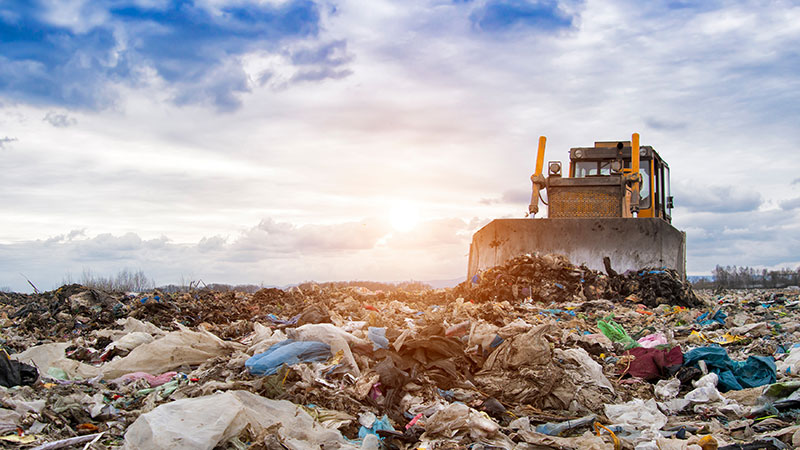
Historically, solid waste landfills have been the preferred
method of waste disposal due to their hands off approach,
simplicity, low cost & acceptance of a variety of wastes.
However, landfill disposal regulations have increased to
reduce landfill waste, environmental impacts & health
concerns, including:
- Landfill stability & slope failure
- Greenhouse gas emissions from organic matter
- Lengthy decomposition of certain materials
- Pressure to recycle materials
- Waste to energy implementation
- Concerns from leaching, off-gassing, & flammability of hazardous materials
- Limited space with few new landfills permitted
In some cases, these concerns eliminate landfilling as a
waste disposal option.
In other cases, where landfills accept these waste streams,
stricter specifications or higher costs are more common. To
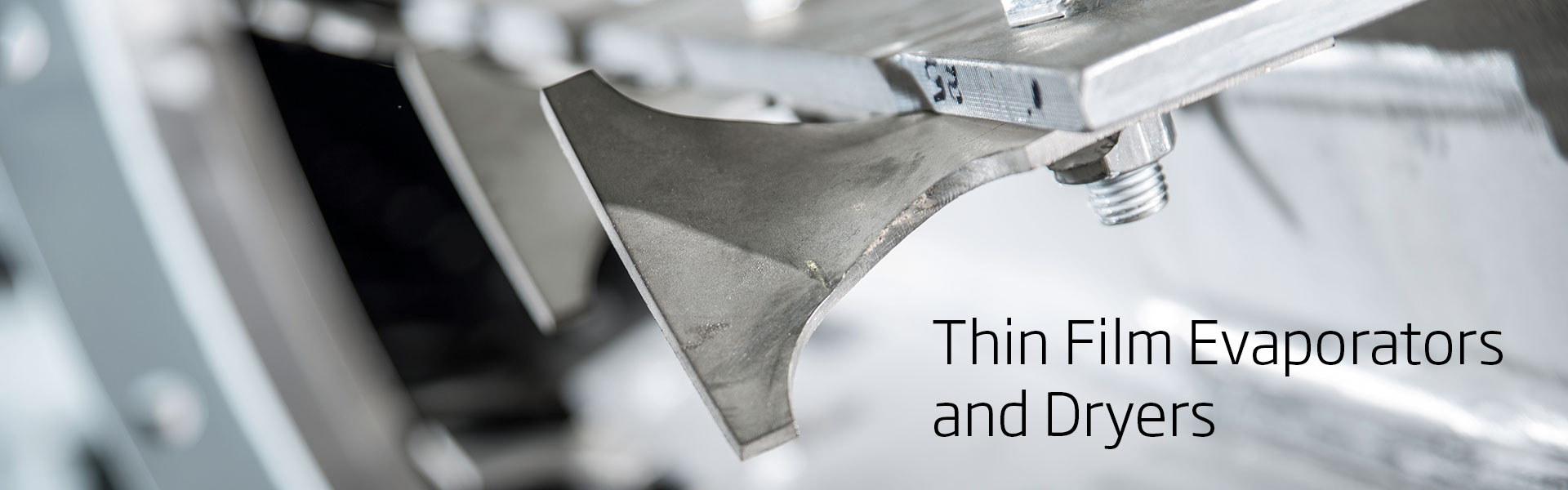
reduce costs & adhere to regulations, thin film evaporation
& drying have been utilized to drastically reduce the mass
& hazardous content of waste streams.
Reduce Liquid Waste & Treat Water Waste
- “Zero liquid discharge” technologies (ZLD)
Reduce Hazardous Solvents in Waste Streams
- Oils & various hydrocarbons
- Volatile Organic Compounds (VOC’s)
- Battery & electronic waste
Concentrate Residues
- Tar & Paint sludge
- Leachate streams
- Salt solutions
- Drilling Residues
Drying Various Municipal & Industrial Sludge Streams
- Coal slurry
- Biomass
- Contaminated soil
- Industrial process waste
- Sewage sludge
Thin Film Technology Benefits
- Process difficult, highly volatile, or viscous materials
- Contained processing environment
- Operation under atmospheric / vacuum pressure
- Continous, reliable operation
- Low energy consumption — potential to recover heat
- Recover valuable solvents
LCI Offers a Variety of Thin Film Technologies
- Thin & Wiped Film Evaporators
- Thin Film Dryers + Sludge Dryers
- Short Path Evaporators
- High Viscosity Processors
- Laboratory Systems + Engineered Systems
- Process Design, Pilot Testing & Support