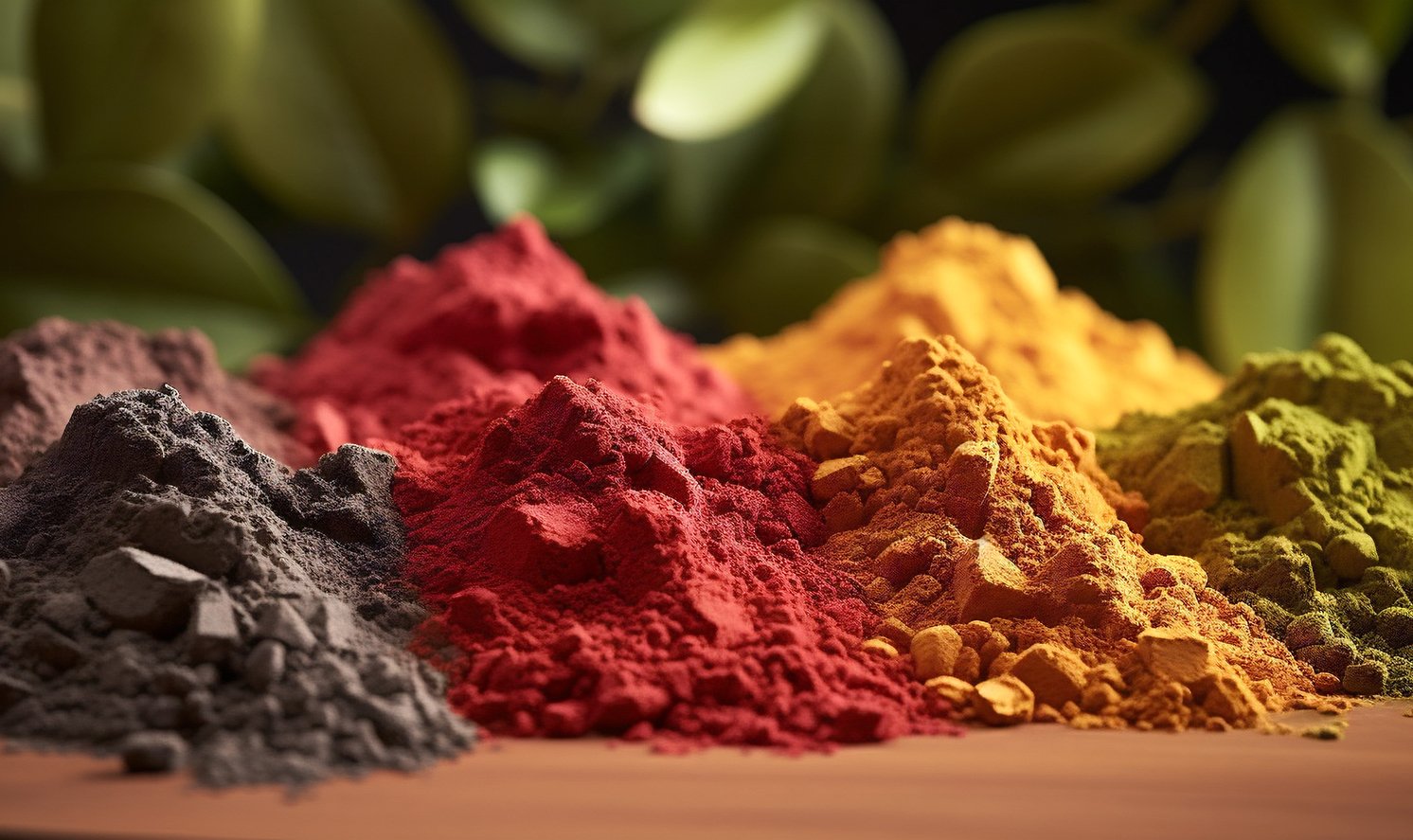
Food Dyes
Enhancing Food Dye Processing with Thin Film Evaporators
The food industry faces increasing pressure to optimize production efficiency and meet evolving safety regulations, especially when it comes to handling sensitive ingredients like food dyes and additives. Among the most effective solutions is a thin film evaporator (TFE), a technology that enables gentle yet efficient solvent and moisture removal while preserving product quality.
Why Thin Film Evaporation?
Food dyes and additives are often manufactured or stored in liquid form using water or solvents. For application in dry blends, powders, or concentrates, these liquids must be removed without degrading the material. Traditional drying methods can expose products to high temperatures and long residence times, risking heat damage or poor product consistency.
Thin film evaporators operate under vacuum, significantly lowering the boiling point of solvents and water. This allows for rapid evaporation at low temperatures, ideal for heat-sensitive substances. In a TFE, the feed material forms a thin film on the heated surface as it's mechanically spread by a rotor. This ensures uniform heat transfer and short residence times, reducing the risk of thermal degradation or fouling.
Proven Benefits in Real-World Applications
At LCI’s pilot facility, decades of testing have demonstrated the effectiveness of TFEs in processing various food dye formulations. A series of case studies highlight the technology’s performance across a range of feed materials and operating conditions.
- High Throughput and Concentration: A red dye solution was successfully concentrated from 18% to 36% total solids (TS) using a LCI TFE at a rate of 90 lbs/hr/ft². This high throughput allowed for efficient batch processing without compromising quality.
- Powder Production: A dispersant-liquefied press cake containing red pigment was dried into a free-flowing powder with just 5% residual moisture. Heat transfer rates of 132 BTU/hr/ft²/°F were achieved without fouling, demonstrating excellent process stability.
- Solvent Removal: In one test, a dye blend containing water and isopropyl alcohol was processed to raise its flash point by removing sufficient alcohol. The TFE accomplished this with a feed rate of 200 lbs/hr, improving safety and compliance for downstream use.
- Moisture Control: Multiple dye types were successfully concentrated to specific moisture levels. The LCI system removed 15–35% of the water from these formulations while maintaining optimal operating conditions, including vacuum pressures of 250 mm Hg and feed rates up to 129 lbs/hr/ft².
- Solvent Recovery and Reuse: TFEs also aid in recovering valuable solvents like methanol and aniline from production residues. In one instance, 94% of methanol was removed at a loading rate of 147 lbs/hr/ft², and the remaining concentrate met downstream specifications without issue.
A Reliable and Scalable Solution
Thin film evaporation has proven to be a robust, scalable, and energy-efficient method for processing food dyes and additives. Whether concentrating liquid formulations or producing powders, TFEs ensure high product quality, reduced processing times, and minimal waste.
With decades of hands-on experience and a dedicated test center, LCI offers expert support in evaluating, testing, and scaling TFE systems tailored to your specific application, helping you optimize your process and maximize your return on investment.