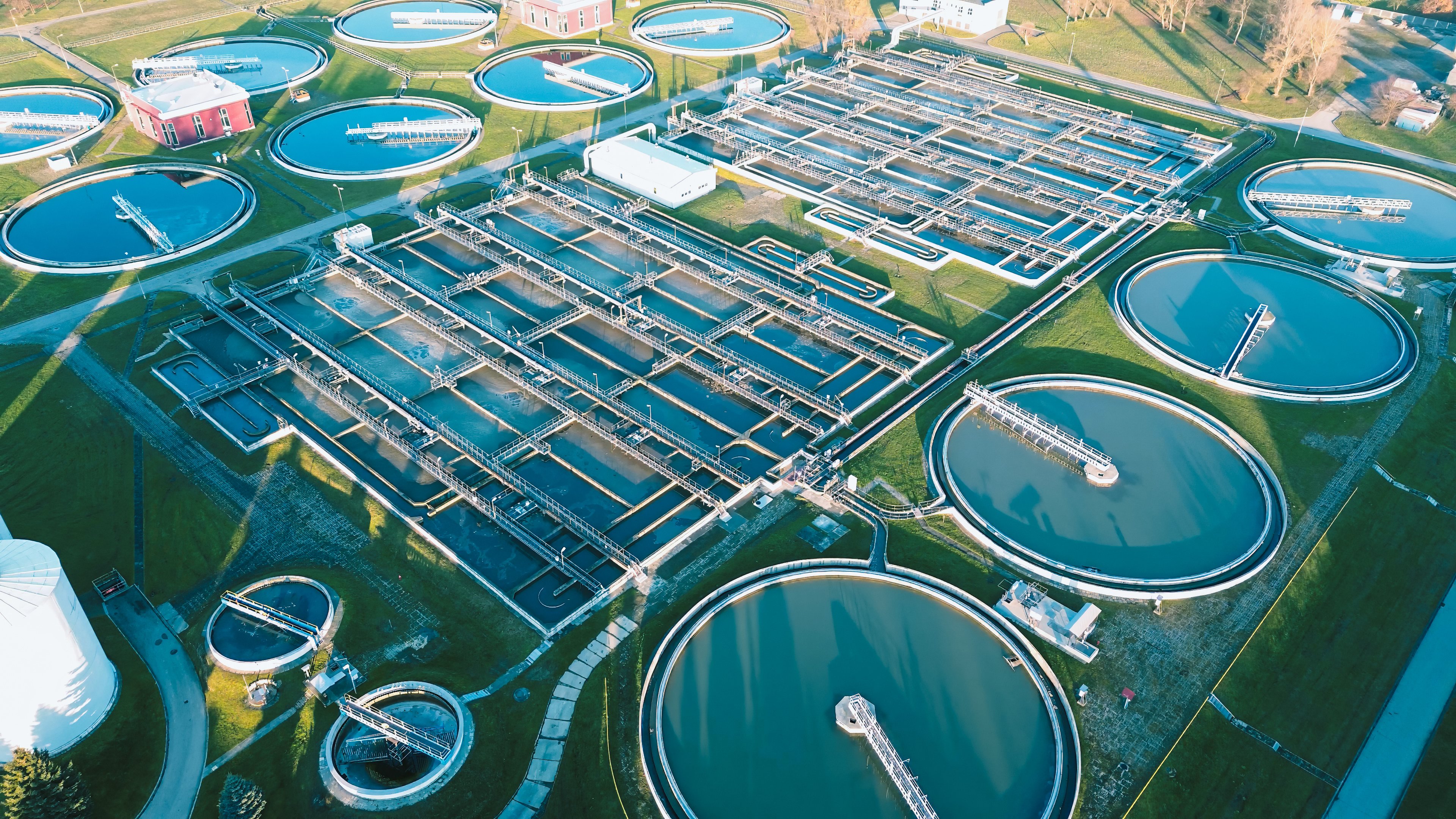

Meet LCI Corp at WEFTEC 2026: Advanced Sludge Drying Solutions for Municipal and Industrial Wastewater
LCI Corp showcases advanced thin film sludge drying technology at WEFTEC 2026, helping municipal and industrial wastewater facilities efficiently dry biosolids, reduce sludge volume and disposal costs, improve handling, and support beneficial reuse. Discover energy-efficient indirect thermal drying solutions designed for challenging sludge streams and flexible dry solids output.
From September 28–30, 2026, wastewater treatment professionals, plant managers, engineers, and industry leaders from across the water and wastewater sector will gather at the Ernest N. Morial Convention Center in New Orleans, Louisiana, for WEFTEC 2026, North America’s leading exhibition for water and wastewater technology.
As wastewater treatment facilities face rising hauling and disposal costs, shrinking landfill capacity, increasing regulatory requirements, and growing pressure to pursue beneficial reuse, efficient biosolids management has become an increasingly important part of overall plant performance and operating costs.
This year, LCI Corporation will be exhibiting at Booth #1259, showcasing thin film sludge drying technology designed to help municipal and industrial wastewater facilities reduce sludge volume and weight while producing a more stable, manageable end product.
Why Sludge Drying Matters for Wastewater Treatment
Every wastewater treatment facility eventually must determine how to manage sludge after dewatering. The answer can have a direct impact on disposal costs, transportation requirements, staffing, and long-term compliance planning.
Key pressures driving greater focus on sludge management include:
- Rising hauling costs: Every percentage point of moisture remaining in sludge adds weight and volume that must be transported offsite.
- Shrinking landfill capacity: Some jurisdictions are tightening restrictions on the moisture content of biosolids accepted for disposal.
- Energy efficiency: Drying is typically one of the most energy-intensive steps in biosolids handling.
- Odor management: Effective sludge handling can support regulatory compliance and help maintain good relationships with surrounding communities.
- Beneficial reuse opportunities: Properly dried sludge can support applications such as agricultural land application, mono-sludge incineration, co-incineration with solid waste, gasification, and pyrolysis.
Thin film sludge drying addresses these challenges by reducing the volume and weight of sludge while producing a more stable and manageable material.
LCI’s Thin Film Sludge Dryer
LCI Corporation’s Thin Film Sludge Dryer is an indirect thermal dryer designed for municipal and industrial sludge applications. Sludge is spread into a thin film, typically 1 to 3 mm thick, across a heated surface inside the dryer.
Because the heating fluid never comes into direct contact with the sludge, the process can avoid many of the fouling and cross-contamination concerns associated with direct-contact drying systems.
Key design features include:
- Continuous operation for steady and predictable throughput
- 95%+ dried solids output for applications requiring high levels of moisture removal
- Compact footprint for facilities adding drying capacity to existing treatment plants
- Flexible sludge handling for digested and undigested sludge, primary and secondary sludge, industrial sludge, high-strength waste or biomass streams, poorly dewatered sludge, and sludge that becomes sticky during drying
How the Thin Film Sludge Dryer Works
The thin film drying process moves through several controlled stages to efficiently remove moisture from dewatered sludge.
- Feed: Dewatered sludge is pumped into the dryer.
- Spread: A rotor fitted with blades spreads the sludge evenly into a thin film against the heated surface.
- Heat: Steam, water, or thermal oil flows outside the heating surface, transferring heat indirectly into the sludge film.
- Evaporate: Moisture is released and flows counter-current to the sludge through the dryer.
- Discharge: After a short residence time, dried sludge is discharged, typically at 30 to 95 percent dry solids depending on the application and target end use.
- Cool: Where required, the material can pass through a product cooler before further handling, storage, or transportation.
A key operating benefit of this design is heating efficiency. LCI’s thin film dryers are engineered to operate with:
- Less than 1,150 BTU/lb of evaporated water for full drying, without heat recovery
- Less than 1,300 BTU/lb of evaporated water for partial drying, without heat recovery
- Heat recovery options capable of capturing up to 90% of heat from the vapor stream as hot water, which can be used for applications such as heating digesters or preheating incoming sludge
Municipal and Industrial Sludge Drying Applications
Thin film sludge drying can be applied across a broad range of municipal and industrial sludge streams. The same core dryer platform can be configured to match the specific characteristics of the feed material and the requirements of the facility.
Applications include:
- Municipal wastewater treatment plants reducing the volume of primary and secondary sludge before disposal or beneficial reuse
- Industrial facilities processing sludge with different moisture retention characteristics or chemical properties than municipal biosolids
- Biological, chemical, and mixed sludge streams generated through combined treatment processes
Benefits of Sludge Drying
Efficient sludge drying can provide both operational and economic benefits by reducing the amount of material that must be transported, stored, and disposed of.
- Volume and weight reduction: Removing liquid content reduces the material requiring transportation and disposal.
- Lower transportation and disposal costs: Reducing sludge volume can help lower one of the largest recurring expenses associated with sludge management.
- Improved handling characteristics: Dried sludge is easier to store, transport, and process than dewatered cake.
- Energy-efficient drying: The indirect drying design helps control the energy required to achieve the desired dryness.
- Reliable, continuous throughput: Continuous operation helps reduce batch-driven variability.
- Compact integration: The equipment can often be integrated into existing treatment plant layouts without major civil work.
Why Visit Booth #1259
Join LCI Corporation at Booth #1259 from September 28–30, 2026, at the Ernest N. Morial Convention Center in New Orleans, Louisiana, for technical discussions focused on real-world municipal and industrial sludge drying applications.
At Booth #1259, attendees can:
- Discuss sludge drying evaluations based on specific feed characteristics
- Explore technology options for new installations and retrofit projects
- Discuss capacity planning as facility sludge volumes change over time
- Explore ways to improve throughput and reduce energy consumption in existing drying systems
- Discuss application-specific solutions for sticky, variable, poorly dewatered, or mixed industrial and municipal sludge
- Connect with LCI’s process and application engineering team
Whether you are evaluating a new sludge drying system, planning a facility upgrade, or looking to optimize an existing operation, LCI’s team can discuss solutions tailored to your sludge characteristics, capacity, target dryness, and available utilities.
Schedule a Meeting with LCI Corporation
Sludge drying decisions can influence operating and disposal costs for years, making it important to understand the technical requirements before selecting a system.
LCI’s thin film sludge drying technology is designed to handle a wide range of municipal and industrial sludge streams while helping facilities manage energy consumption, footprint, and final product characteristics.
Visit LCI Corporation at Booth #1259 during WEFTEC 2026 in New Orleans from September 28–30, 2026. Contact the LCI team ahead of the show to schedule a meeting or stop by the booth to discuss your facility’s sludge drying requirements.
FAQs
The dryer is flexible, producing output between 30 to 95 percent dry solids for use in incineration, composting, landfilling, gasification, pyrolysis, agricultural use, and more. It can also be configured to meet Class A biosolids requirements under 40 CFR Part 503 by heat drying biosolids to 10 percent moisture or less at temperatures above 80°C (176°F).
As an indirect dryer, it runs on thermal oil, steam, or hot water, and can draw on heat sources including natural gas, digester gas, electricity, solar energy, or waste heat. Typical requirements are under 1,150 BTU/lb of evaporated water for full drying and under 1,300 BTU/lb for partial drying, without heat recovery.
The dryers are indirect, so no combustible gases or embers from the heating system enter the drying area. They also run under a controlled, low-oxygen atmosphere, maintain negative internal pressure to pull dust and hazardous substances to the emissions control system, and have no internal moving-part contact that could create a spark.
The system has a single wear part, the rotor blade, which is bolted to the rotor edge and typically inspected yearly. Worn blades are unbolted and replaced at floor level, with no heavy lifting, heating fluid draining, or re-alignment required.
Sludge can release sulfur compounds, ammonia, and volatile organic compounds during drying, so local air regulations should factor into system design. The thin film dryer's small airflow, typically 20 to 200 CFM, means a smaller volume of air needs treatment compared to technologies like belt or drum dryers. LCI’s parent company, Nederman, and our sister company Mikropul specializes in Industrial Air Filtration so LCI has the experience to assist in the emissions control requirements of drying applications.
Sizing depends on sludge type, volume, feed and target discharge solids percentage, required end-product characteristics, available heating medium, and desired annual operating hours. With that information, LCI's engineering team can develop a design and provide a price estimate.